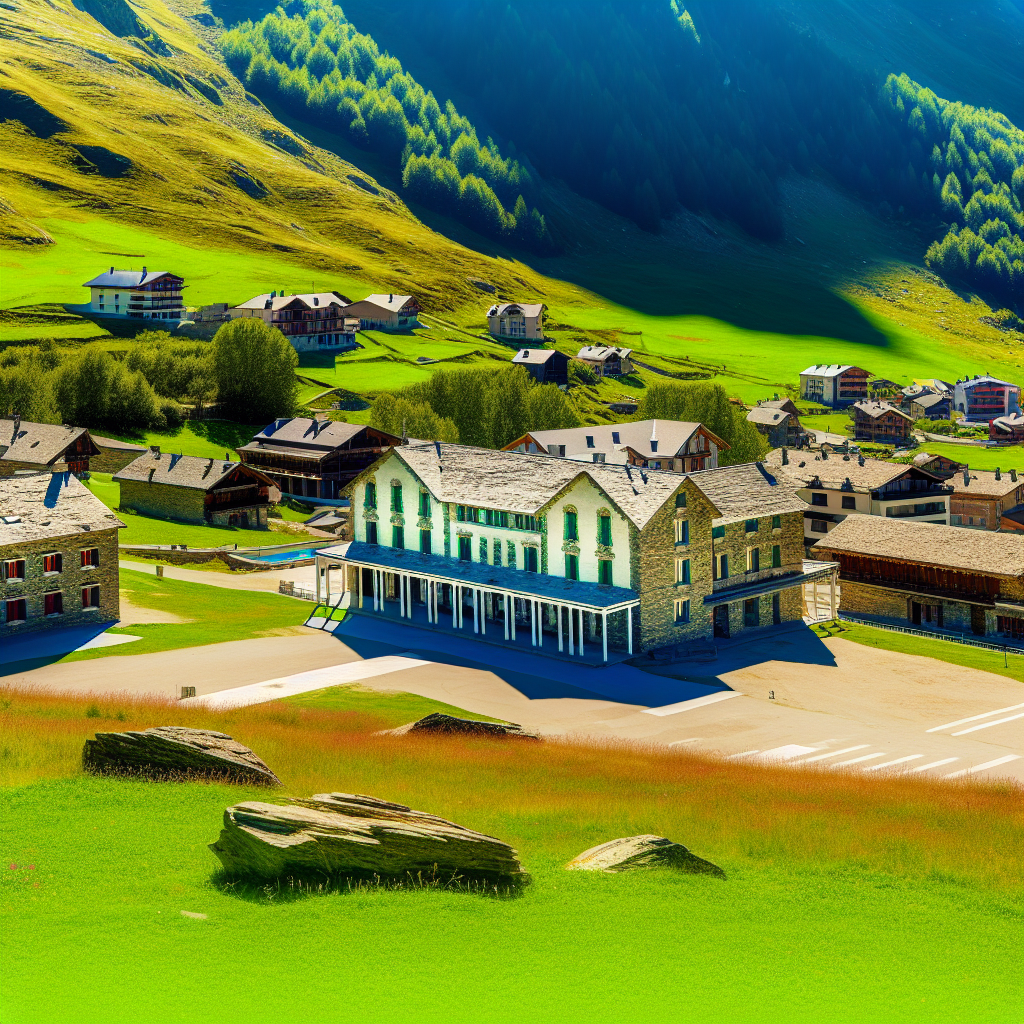
Squaw Valley history is a rich tapestry woven through Indigenous heritage, Olympic triumphs, and outdoor adventure—all set against the stunning backdrop of the Sierra Nevada. Today known as Palisades Tahoe, this alpine sanctuary gained worldwide attention after hosting the 1960 Winter Olympics, but its roots stretch far deeper. From Native stewardship to modern-day recreation, Squaw Valley’s story offers a compelling look into the cultural and natural evolution of the American West.
Indigenous Roots: The Washoe People and Sacred Land
Before ski chalets dotted the landscape, the Washoe people called this land home. For thousands of years, they relied on its abundant rivers, meadows, and forests for survival and spiritual connection. Though dubbed “Squaw Valley” by settlers, the term has long been criticized for its offensive undertones. In 2021, a concerted effort by tribal leaders and local officials culminated in the renaming of the area to Palisades Tahoe, honoring the region’s original stewards and initiating a more respectful era.
To explore this early chapter of squaw valley history, visitors can stop by the Gatekeeper’s Museum in nearby Tahoe City. Just a 20-minute drive from Palisades Tahoe, it features exhibits on Washoe basketry, artifacts, and oral storytelling. In the warmer months, guided cultural tours hosted with the Washoe Tribe invite guests to follow ancient footpaths and listen to stories that bring the past vividly to life.
Olympic Legacy: The 1960 Winter Games
No telling of squaw valley history is complete without the transformative story of the 1960 Winter Olympics. At the time, what is now Palisades Tahoe was hardly developed. Yet, Alex Cushing, the resort’s founder, successfully campaigned for the Games, triggering a rapid expansion of facilities and global recognition.
Today, visitors can relive this pivotal moment at the Olympic Museum inside the Olympic House. This free exhibit showcases historic gear, athlete profiles, and trailblazing technologies—like the first Olympic use of computerized scoring by IBM. Families will appreciate interactive displays, while history buffs can dive into archival footage and rarely seen interviews that illuminate this epic milestone in alpine sport.
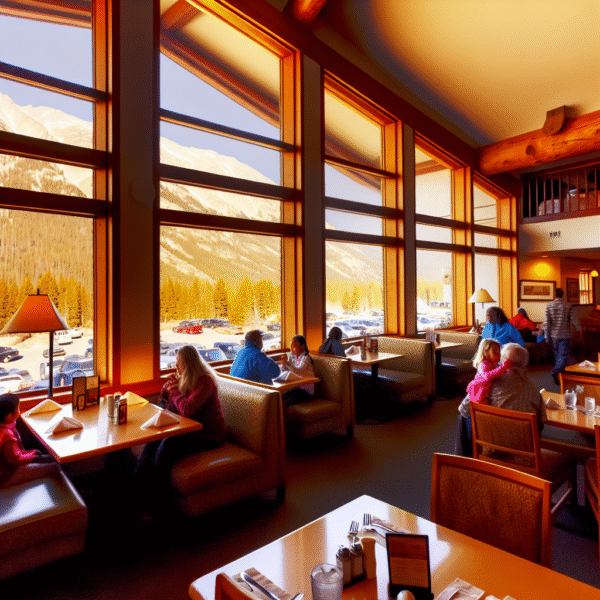
For a panoramic overview, ride the Aerial Tram to the summit and stop at the on-site displays detailing Olympic Valley’s metamorphosis. The scenic vistas alone make the journey worthwhile, especially when paired with lunch at Granite Bistro Café at the top.
Outdoor Adventure with Depth
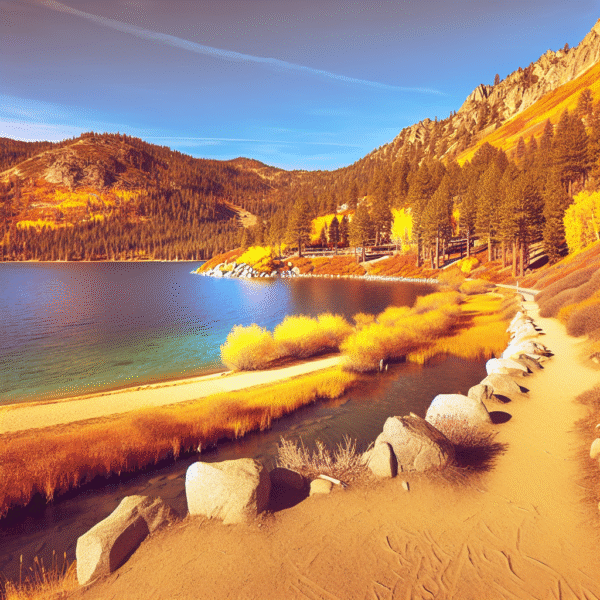
Squaw Valley’s appeal doesn’t stop at history—it’s also a year-round playground. Summer hikers can take on the Shirley Canyon Trail, a moderately challenging 3.6-mile route filled with waterfalls, granite cliffs, and glimpses into the area’s layered story. This trail aligns with ancient Washoe trading paths, adding cultural context to every step.
Nearby, the Five Lakes Trail offers a quieter escape. This 5-mile round-trip route features alpine lakes, blooming wildflowers, and peaceful forests with towering juniper. It’s a favorite for families and solo hikers who want to connect with the same natural abundance that once nourished Native communities.
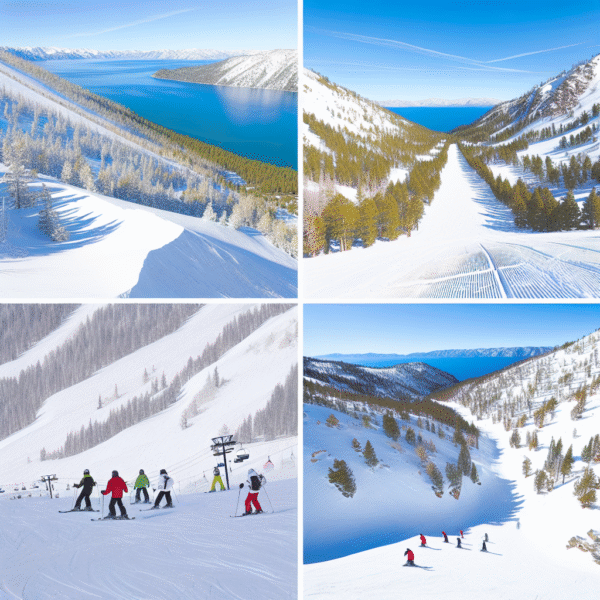
Winter brings over 4,000 acres of skiable terrain. Beginners can build skills at Gold Coast, while seasoned thrill-seekers tackle KT-22—famous for its steep slopes and tight chutes. For children, Palisades Kids offers ski school programs complete with expert instruction and gear, making the experience rewarding and fun.
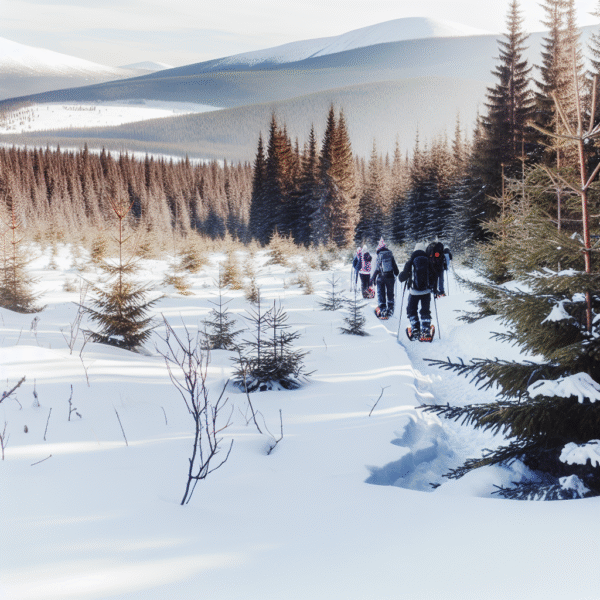
Those looking for guided adventure can join Alpenglow Expeditions, a local outfitter offering backcountry tours. Along the way, guides weave in insights about local ecology and squaw valley history, enhancing both the challenge and the appreciation of the wild landscape.
Local Culture and Hidden Treasures
Beyond the slopes, the Village at Palisades Tahoe buzzes with mountain-town charm. Once the Olympic Village, it now houses cafés, galleries, and shops like Fellas Bakery, known for its hearty sandwiches and fresh pastries. For a relaxed post-adventure vibe, beer lovers can head to FiftyFifty Brewing in nearby Truckee—their award-winning ales are a local staple.
Families won’t want to miss the Tahoe Via Ferrata. This guided climbing course uses fixed lines and iron rungs to help participants scale cliff walls safely. Along the way, guides share stories of mountaineering legends and natural landmarks—all part of the broader narrative of squaw valley history.
For a quieter outdoor experience, take a 25-minute drive to Hidden Beach in Incline Village. It’s less crowded than central Tahoe spots, featuring crystal-clear waters and prime conditions for sunbathing or paddleboarding. Stop at Tahoe Central Market for a picnic—you can’t go wrong with their smoked trout wrap.
Seasonal Learning and Community Events
If your trip lines up with the festival calendar, you’re in for an extra treat. In late March, the Winter Wondergrass Festival blends bluegrass music, local food, and eco-kid zones for an unforgettable mountaintop experience. During summer, Palisades Tahoe hosts events like the Wildflower Festival and junior ranger walks that seamlessly mix fun with environmental education.
Off-season visits—especially in April, May, October, or November—offer smaller crowds and a slower pace. Saturday mornings might bring the Mountain Market, where local artisans sell handcrafted jewelry, ceramics, and more. Supporting these makers is a wonderful way to connect with the valley’s living culture while exploring the legacy of squaw valley history.
For a deeper dive, attend a talk hosted by the Palisades Tahoe Institute. These educational events feature experts in Native history, regional ecology, and climate change. Held in the Alpenglow Room, they’re free with registration and serve as thoughtful ways to round out your experience.
Discover the Layers of Squaw Valley History
Squaw Valley history offers more than footnotes on a ski map—it’s a living narrative etched into every trail, stone, and stream of Palisades Tahoe. Whether you’re skiing fresh powder, crossing historic hiking routes, or attending a cultural talk, the valley invites you to pause, listen, and learn. Families, solo travelers, and thrill-seekers alike can leave with more than photos—they take home a lasting appreciation of a place where the past is as tangible as the snow under your boots.