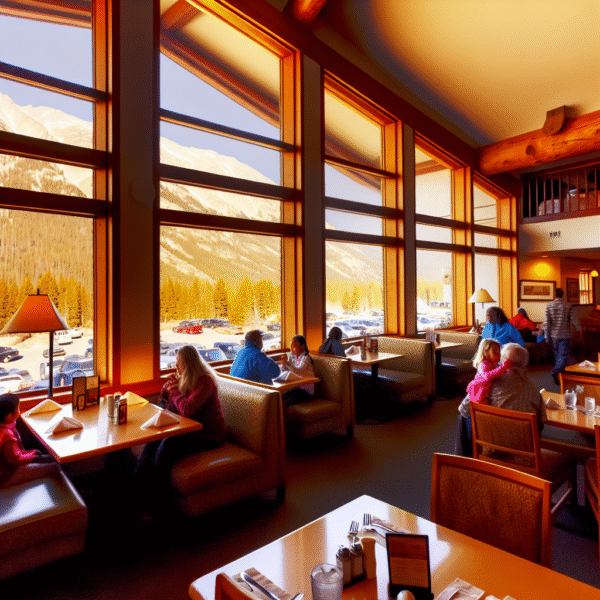
Squaw Valley wildlife steals the spotlight in the rugged beauty of the Sierra Nevada near Lake Tahoe. Now officially known as Palisades Tahoe, this mountain haven is not just a skier’s playground—it’s a vibrant wildlife corridor teeming with native animals and alpine wonders. Nature-loving families, solo adventurers, and curious hikers will find plenty to admire year-round. From snowshoeing through pine-scented forests to hiking across high-alpine meadows, the region brims with fascinating creatures that call Squaw Valley home throughout the seasons.
Where to Spot Squaw Valley Wildlife: Top Wildlife Viewing Areas
Squaw Valley’s varied terrain offers excellent wildlife-spotting opportunities at different elevations and trailheads. A must-visit for summer explorers is the Shirley Canyon Trail. This moderate hike passes waterfalls and thick conifer forests, where visitors frequently spot chipmunks, Douglas squirrels, and the boisterous Steller’s jay. If you’re fortunate, a mule deer or even a black bear may appear among the pines during early morning or twilight hours.
To access the high-alpine wildlife zones, ride the Aerial Tram to High Camp. This shortcut to panoramic hiking trails reveals a new ecosystem filled with yellow-bellied marmots basking on granite rocks and golden eagles soaring overhead. The Granite Chief Trail and backcountry paths offer chances to encounter mountain quail, or spot fresh bobcat tracks in the softer earth of offseason months.
Down in the valley, the Truckee River forms a natural wildlife corridor. In spring, otters and great blue herons frequent the banks. The adjacent bike path is a gentle option for families interested in observing Squaw Valley wildlife without demanding hikes into the backcountry.
Common Wildlife Species in Squaw Valley
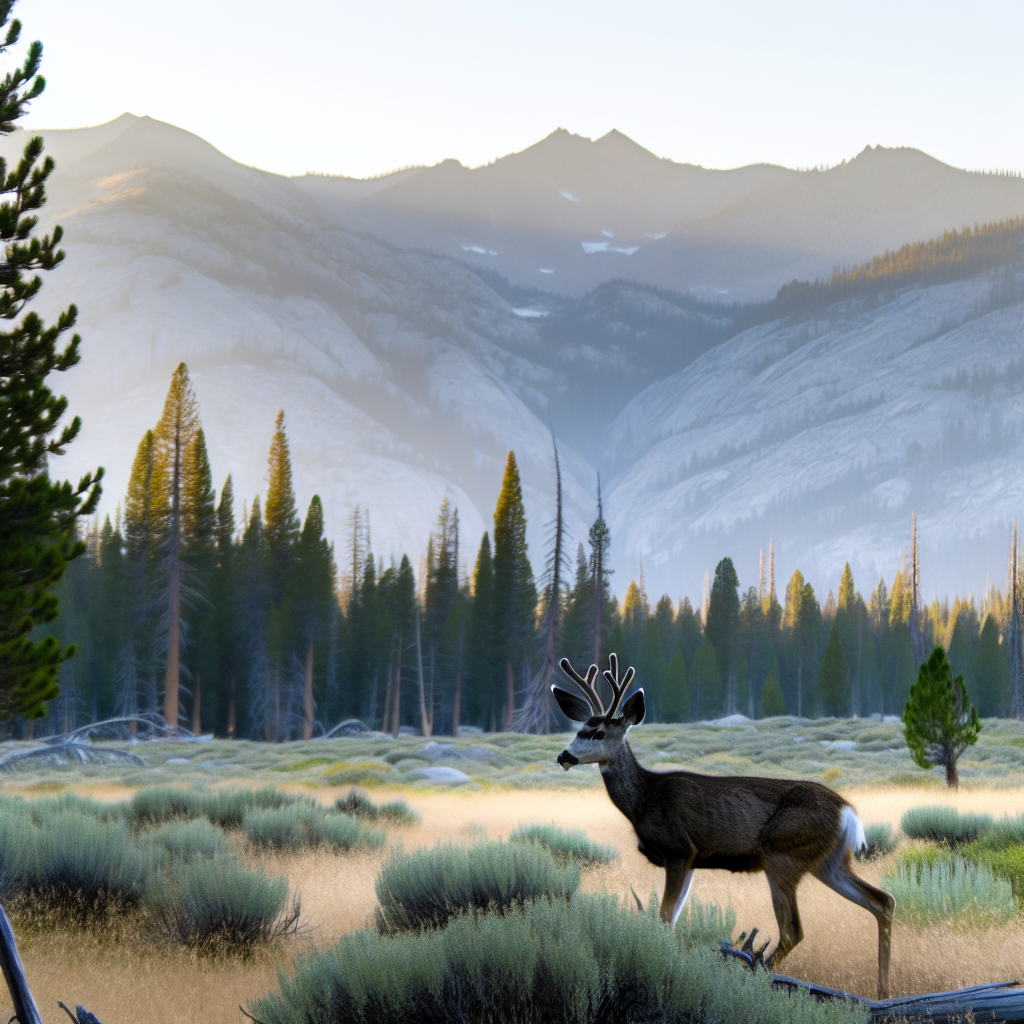
Throughout the year, Squaw Valley wildlife reveals itself to the observant traveler. Mule deer are spotted most often, especially at dawn or dusk in open meadows or the edges of forested trails. During autumn, bucks showcase their impressive antlers—an unforgettable natural spectacle.
Black bears also roam the area. While typically shy, they emerge near berry patches and campgrounds in late summer and fall. To maintain safety and protect the ecosystem, store food in bear-safe containers and leave no scented items unattended. Practicing bear-smart behavior helps ensure humans and Squaw Valley wildlife coexist peacefully.
Red foxes, snowshoe hares, and Douglas squirrels are also common residents. Birdwatchers may encounter mountain bluebirds, white-headed woodpeckers, and occasionally, a bald eagle circling above Lake Tahoe during late summer. These sightings are particularly magical in the early morning light.
Wildlife Viewing Tips: Safety and Ethics
Experiencing Squaw Valley wildlife safely and ethically enhances both your visit and the animals’ wellbeing. Always maintain a respectful distance—use binoculars or zoom lenses rather than approaching animals. A good rule to follow: if your presence changes an animal’s behavior, you’re standing too close.
Children should follow the “observe, don’t interact” guideline. Many seemingly playful creatures, like porcupines or raccoons, can pose unexpected risks. Leash your pets at all times, particularly in nesting and birthing seasons during spring and early summer.
If you’re planning remote hikes or backcountry ventures in late summer or fall, consider packing bear spray. Keep tabs on seasonal wildlife alerts and trail closures by visiting the Tahoe National Forest website before setting out on your Squaw Valley wildlife excursion.
When to Visit for the Best Wildlife Watching
Seasonality greatly influences the types of wildlife you’ll see in Squaw Valley. Spring is ideal for birdwatching and viewing newborn animals. Look for fox kits and fawns close to meadows or along pathways like the Five Lakes Trail, which begins near Alpine Meadows Road.
In summer, snowmelt reveals high-altitude trails where marmots, pika, and butterflies become active. The Pacific Crest Trail (PCT), running through the Granite Chief Wilderness, is a prime zone for full-day hikes or multi-day wildlife treks.
Fall is quieter and perfect for spotting raptors and larger mammals as they prepare for winter. The crisp air and thinning foliage improve your chances of seeing deer, bears, and birds of prey. Despite fewer animals being visible in winter, fresh snow highlights animal tracks, offering clues to the presence of coyotes, bobcats, and snowshoe hares. Join guided snowshoe tours with local outfitters like Tahoe Adventure Company to make the most of winter wildlife viewing.
Family-Friendly Squaw Valley Wildlife Activities
Exploring Squaw Valley wildlife can be both fun and educational for kids. The Aerial Tram brings families swiftly to alpine areas where even a short walk yields sightings of birds and small mammals. Grab a trail map from the base lodge for child-appropriate loops near High Camp or Shirley Lake.
For hands-on learning, visit the Tahoe Science Center in Incline Village, just a scenic 40-minute drive away. Exhibits spotlight Sierra ecology and help young minds understand the animals they observe out in the wild.
Also consider joining the guided summer nature walks offered by the Tahoe Institute for Natural Science (TINS). These tours cater to families, incorporating amphibians, reptiles, birds, and mammals into engaging, age-appropriate programming.
Hidden Wildlife Hotspots Around Squaw Valley
While many stick to popular trails, insiders know the best Squaw Valley wildlife moments often happen off the beaten path. Paige Meadows, located southeast of the valley near Tahoe City, is one such gem. Its high-altitude wetlands attract coyotes, wild turkeys, and red-tailed hawks, particularly in the tranquil hours just after sunrise.
Another serene trail is the Emigrant Trail, accessible near the Donner Camp Picnic Site off Highway 89. Perfect for beginners or families, this flat path winds through quiet forest and meadow ecosystems rich with birdlife and deer. Breathe in the silence and bring a picnic—but remember to carry out all trash.
More adventurous visitors may head toward Grouse Rock, a granite dome reachable via backcountry routes beyond Alpine Meadows. Known for its owl populations and elusive mountain lion tracks, this area offers some of the most thrilling Squaw Valley wildlife sightings for experienced hikers and skiers.
Planning a Responsible Squaw Valley Wildlife Adventure
To make the most of your Squaw Valley wildlife experience, a little planning goes a long way. Opt for hikes at sunrise or sunset for the best chance to view animals when they’re active. Pack a regional field guide and a pair of binoculars—great tools for spotting and identifying birds and mammals.
Above all, never feed wildlife. It alters their behavior, creates dependency, and can put both humans and animals in danger. Keep food tightly sealed, use designated trash bins, and always follow Leave No Trace principles.
After your outing, unwind in the heart of Olympic Valley, where Palisades Tahoe village offers interpretive signs, wildlife-inspired art, and expert local guides available for private excursions. Whether hiking alpine ridgelines or biking riverside paths with your family, Squaw Valley wildlife invites you deeper into the wild with every quiet step and curious glance.