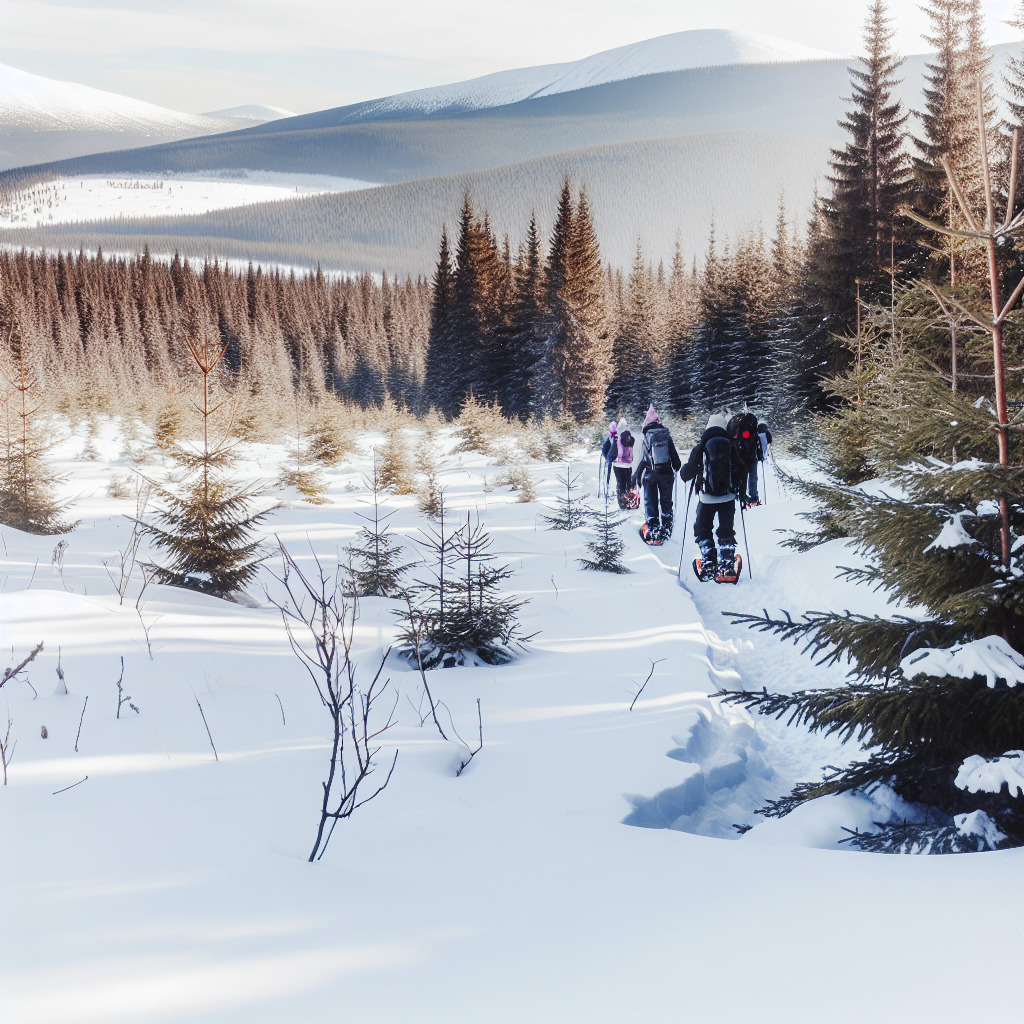
Squaw Valley winter hiking offers more than just a quiet break from the ski slopes. While the world-class downhill terrain and Olympic legacy draw crowds to this North Lake Tahoe destination, winter transforms Squaw Valley into a snow-covered haven for hikers. From tranquil alpine lakes to scenic ridgelines, the region reveals trails that promise serene solitude, panoramic views, and a deeper connection to the Sierra Nevada wilderness. Whether you’re a snowshoeing beginner or an experienced winter trailblazer, Squaw Valley delivers unmatched adventure on foot—minus the lift lines.
Shirley Canyon Trail: A Winter Wonderland Close to the Village
Steps from the heart of Squaw Valley Village, the Shirley Canyon Trail becomes an enchanted snow-scape in winter. In summer, hikers follow waterfalls and boulder-lined creeks, but once temperatures drop, this trail transforms into a peaceful journey through frosted pines and frozen streams.
The trailhead starts near the Squaw Valley Fire Station on Squaw Peak Road. It winds upward through granite outcrops beneath a canopy of towering evergreens. Light snow makes the first mile ideal for families and beginners. For those seeking more adventure, hiking higher toward Shirley Lake rewards you with pristine alpine views—though snowshoes or microspikes are essential as conditions become more challenging with elevation gain.
Insider Tip: Trail markers are scarce. Use a GPS app like AllTrails or Gaia with downloaded maps. Avoid avalanche-prone zones if heading beyond the initial sections.
Five Lakes Trail: Tranquil Scenery with Fewer Visitors
Just minutes from Squaw Valley on Alpine Meadows Road, the Five Lakes Trail is one of the premier options for Squaw Valley winter hiking. This 4.7-mile out-and-back route begins with gentle switchbacks through dense forest before opening to expansive ridge views and a cluster of frozen alpine lakes nestled within the Granite Chief Wilderness.
Snowy sections can be slippery, so bring microspikes or snowshoes depending on the snowfall. Ideal for active hikers and families with older kids, this trail is notably quieter during winter—perfect for peaceful solitude and stunning winter lakescapes.
Practical Tip: Limited parking means an early arrival is best. Restroom facilities are not available at the trailhead, so plan accordingly.
Eagle Rock Trail: A Quick and Scenic Winter Escape
The Eagle Rock Trail, about 25 minutes from Squaw Valley on West Lake Boulevard, is a family-friendly gem. Though outside the immediate village, it’s a popular pick for short Squaw Valley winter hikes. This 0.6-mile steep ascent leads to a volcanic overlook with breathtaking winter views of Lake Tahoe’s sparkling blue expanse.
With a modest 250-foot elevation gain, the trail is manageable for children and casual hikers. In icy conditions, traction aids like Yaktrax or microspikes help ensure stable footing. It’s especially beautiful during sunset, when alpine light bathes the shoreline in golden hues.
When to Visit: Go in the afternoon to enjoy west-facing views. Sunset offers stunning colors for photos and memories.
Paige Meadows: Tahoe City’s Serene Winter Secret
Located 35 minutes from Squaw Valley near Tahoe City, Paige Meadows is a collection of flat to gently rolling trails surrounded by snowy forests and open meadows. Its natural layout is ideal for snowshoeing, casual hiking, and sledding with children—or dogs!
Unmarked trails mean visitors should bring printed maps or use GPS. Despite the lack of signage, well-trodden routes appear throughout the season, creating easy paths through the snow. This is a great option for families or those wanting a mellow winter outing near Squaw Valley.
Where to Access: Park at the end of Silver Tip Drive or on Granlibakken Road. Look for Tahoe Rim Trail posts to stay oriented.
Tahoe Rim Trail Segment: Brockway Summit to Watson Lake
If solitude and challenge call your name, the Tahoe Rim Trail segment from Brockway Summit to Watson Lake is a standout for Squaw Valley winter hiking. This 6 to 7-mile round trip rolls gently through pine forests, hilltop clearings, and quiet meadows, eventually reaching Watson Lake’s icy shores.
Snowshoes are typically required from mid-winter onward. While mild elevations make it moderate in summer, deep snow adds effort and adventure in winter. Wildlife enthusiasts may spot snowshoe hare tracks and even catch a glimpse of bobcats traversing the frosty forest floor.
Trailhead Notes: Plowed parking is available along Highway 267 at Brockway Summit. Inform someone of your route before setting out, just in case reception fails.
High Camp Access Trail: For Experienced Winter Climbers
Most visitors take the Aerial Tram to High Camp, but few know you can hike the High Camp Access Trail in winter. This four-mile climb gains nearly 2,000 feet as it loosely follows resort boundaries and ridge trails like Mountain Run and Wildflower Ridge. The ascent promises scenic payoffs—sweeping vistas over Squaw Valley and Tahoe’s north shore.
Because it traverses ski terrain, route-finding is critical. Stick to the side of trails, yield to oncoming skiers, and avoid groomed areas. Snowshoes or skis with skins are essential, and avalanche safety knowledge is a must. Hiking this route rewards the ambitious with panoramic views and, when open, a warm drink inside High Camp Lodge.
Caution: Stay updated on avalanche conditions and respect ski resort boundaries. This is not a beginner’s route—only attempt it with proper gear and winter navigation skills.
Top Safety Tips for Winter Hiking Near Squaw Valley
Before stepping onto a trail around Squaw Valley in winter, preparation is key. Follow these local tips to stay safe and make the most of your snowbound adventure:
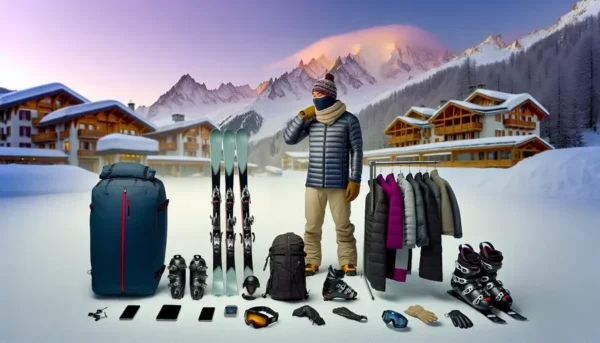
- Layer Wisely: Wear moisture-wicking base layers, insulating mid-layers, and a waterproof shell. Skip cotton—it stays wet and gets cold fast.
- Get the Right Gear: Snowshoes, hiking poles, and microspikes enhance safety on snow-packed trails.
- Check Conditions: Know the avalanche forecast from the Sierra Avalanche Center before every hike.
- Navigational Tools: Bring printed maps or offline-capable GPS apps. Unmarked winter trails are tricky.
- Time It Well: Start hikes early. Temperatures and visibility drop quickly after 4 p.m.
- Carry Essentials: Pack high-energy snacks, water, gloves, a headlamp, and extra layers—even on short hikes.
Your Perfect Squaw Valley Winter Hiking Adventure Starts Here
Whether you’re seeking a peaceful snowshoe stroll with the family or ready to challenge snowy climbs to panoramic peaks, Squaw Valley winter hiking offers a rich variety of trails suited for every adventurer. Escape the crowds and immerse yourself in Tahoe’s quieter side—where frozen lakes shimmer under winter sunlight and pine-scented trails lead you through pristine alpine wilderness. Gear up and hit the trail—you’re only steps away from discovering another magical facet of Squaw Valley in winter.